
Ultimate Moving House Checklist – Utilities, Healthcare and More
1 April 2026
Retiring to Spain from the UK – Why and How
2 April 2026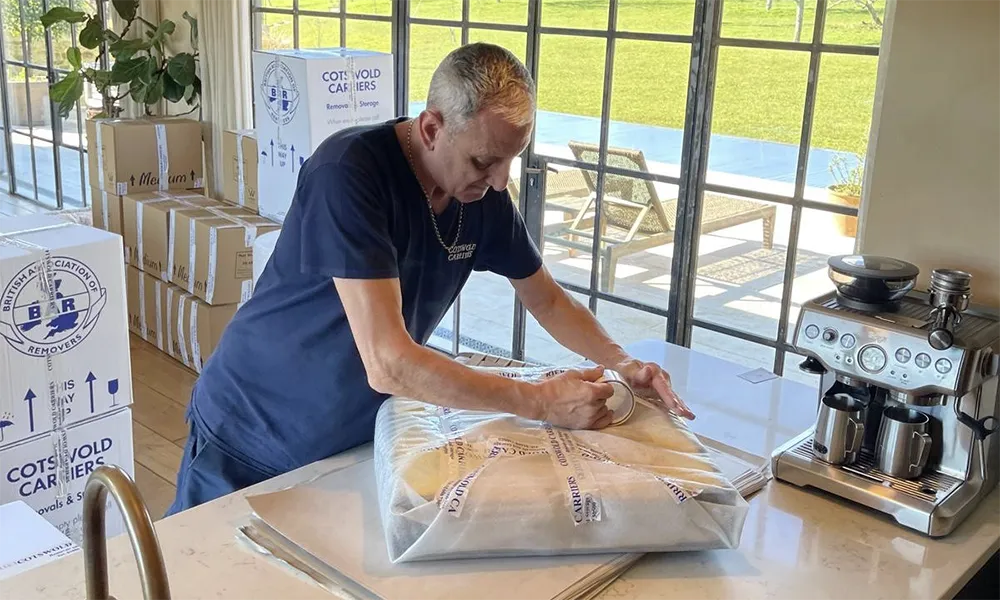
If you’re considering moving abroad, you might feel anxious about packing your household goods for the move, whether they are breakable, sentimental, or simply because the thought of a house removal causes you a lot of stress.
How can you ensure that your household items are safe during transportation?
With over 20 years of industry experience, Cotswold Carriers has compiled a list of tips to make your packing simpler and safer.
Expert Packing Tips for House Removals
Pack Household Goods in Advance
To make your house move less stressful, try to pack as much as possible well in advance. Packing a little bit every day is much more manageable than trying to do everything at once. A couple of weeks or even months before your moving day, start packing items that you won’t need to use. This includes off-season clothing, books you’ve already read, souvenirs, photographs, and other keepsakes.
Organise and Declutter Ready for Removal
Think of your house removal as a positive opportunity to declutter. By getting rid of unnecessary items now, you’ll have less to transport to your new home. Start by discarding any damaged or broken items, and consider donating or selling things you no longer need. Measure your new space and remove any furniture that won’t fit. Go through each room and categorise your belongings into four groups: keep, sell, donate, or throw away.
Prepare Documents and Paperwork
Gather all necessary documents into a single folder for easy access. For every member or your family, include:
- Birth Certificates
- Marriage Certificates
- Leases
- Purchase Agreements
- Passports
- Tax Documents
- Insurance Certificates
- Social Security Cards
Keep all your personal documents with you rather than packing them in boxes for the moving company.
Additionally, have a separate box for storing backup copies of valuable papers in case of emergencies. Although making copies of all your records will take time and effort, it’s important to ensure that your only copy isn’t damaged during transport. You will usually find printing facilities at your local library.
Start organising and photocopying documents up to a year in advance.
Gather the Correct Packing Materials and Equipment
Before you start moving, gather all your packing supplies. Ensure you have the following items ready:
- Adhesive tape
- Packaging tape
- Stanley knives or craft knives
- Scissors
- Bin bags
- Resealable plastic bags for small hardware/cords
- Kitchen roll
- Clingfilm wrap for securing furniture drawers and bottles containing liquids
- Bubble wrap
- Packing paper
- Furniture pads
- Removal blankets or furniture blankets
- Permanent markers
- Sack truck/trolley for transporting heavy items
- Work gloves to protect hands while packing
It’s advisable to use packing supplies specifically designed for moving. These items are typically available at local hardware stores or, of course, online, such as on Amazon’s search for Moving Boxes and Packing Supplies.
Additionally, you may want to consider renting equipment from a company that offers removal services.
Invest in High-quality Packing Boxes; the Correct Size
When packing and moving your belongings, it’s crucial to use sturdy boxes. Poor-quality boxes are prone to breaking during transport, causing damage. For heavy items like books, it’s best to use smaller containers to make them easier to handle.
On the other hand, larger boxes work well for lighter items like pillows or towels. However, avoid filling large boxes with heavy objects, as this increases the risk of the boxes breaking.
Additionally, consider using the original boxes that your electronics, such as your TV, came in. These boxes are specifically designed to protect your devices, making the packing and transportation process much more manageable.
Pack Removal Boxes Well
Overpacking a moving box is not a good idea. Use as many boxes as necessary to ensure they are manageable during transport. Be sure that no box exceeds 23 kg for safety.
Additionally, avoid leaving empty spaces in the boxes. If there are gaps, fill them with paper, clothes, towels, or packing peanuts to prevent items from shifting during transport.
Use tape to secure the areas of the box that experience the most stress, such as the bottom and top seams and the edges.
Do not pack boxes too tightly, as this can increase their weight and lead to difficulties. When all boxes are of similar weight, you can stack them more effectively.
Disassemble Furniture Ready for Packing
Take apart any furniture pieces that can be disassembled. Your furniture pieces should be broken down into the smallest parts possible for more accessible transport.
To avoid losing screws and other furniture hardware while disassembling furniture, you can gather the screws, nuts and bolts in one bag. Then you can tape the bag to the corresponding piece of furniture.
Wrap fragile items in moving blankets to prevent damage. And before packing up your electronics, snap a picture of the back so you remember where the cords go. Do the same for your furniture, and take photos of the disassembled parts.
Learn to Pack Household Breakables and Special Items
When moving highly fragile items, it’s essential to take extra care to prevent damage. Wrap each fragile item carefully in paper, moving blankets, or bubble wrap. For mirrors, wrap each one in bubble wrap and store them vertically in a large box; this will minimise movement and reduce the risk of the glass shattering. If you have valuable artwork to transport, consult your mover about obtaining special crates for added protection.
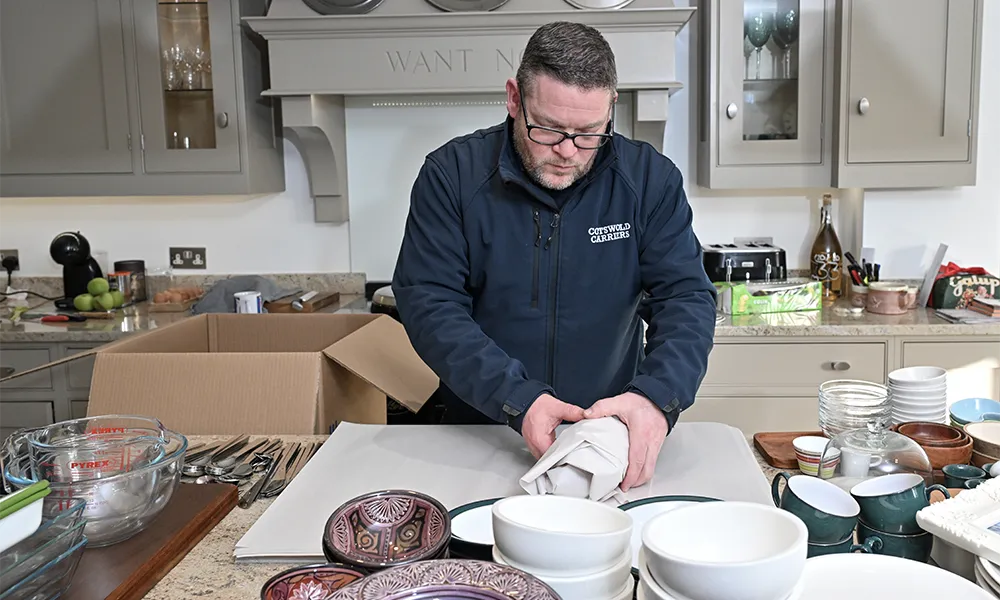
When packing dishes, wrap each dish individually in packing paper, then bundle five or six dishes together with additional packing paper. Store the dishes upright and use plenty of paper to provide extra padding.
Pack Clothes Properly
For hanging clothes, you can use wardrobe boxes, tall boxes with a rail, letting you transfer clothes straight from your wardrobe without removing hangers. They prevent creasing and make unpacking effortless.
For sturdy furniture, you can leave lightweight clothes (like socks, underwear, t-shirts) inside drawers. Just secure the drawers with tape or clingfilm so they don’t slide open.
Use vacuum-sealed bags for winter coats, bedding, and jumpers. They reduce volume significantly and protect against dust and moisture.
Include a few outfits, pyjamas, underwear, and toiletries in a separate bag so you can get through the first couple of days without rummaging through boxes.
Wrap delicate dresses, suits, or beaded items in tissue paper, garment bags, or dry-cleaner plastic to prevent snagging or damage.
Extra clothes packing tip: rolling clothes instead of folding them saves space and reduces creasing. You’ll also find that rolled items are easier to organise as you can see everything at a glance, instead of items being on top of each other. Rolling is ideal for soft fabrics.
Prevent Leaks in Your Packing
To prevent leaks when packing, pay special attention to items that are prone to spilling, such as shampoo bottles, cleaning products, cooking oils, and toiletries.
Always pack liquids separately from dry goods or delicate items to avoid damage if something bursts or leaks.
For extra protection, unscrew the cap, place a layer of plastic wrap over the bottle opening, then screw the lid back on tightly to create a secure seal.
You can also put liquid items inside sealed freezer bags or waterproof containers for an added layer of safety.
Taking these simple precautions helps keep your boxes clean, prevents mess, and protects the rest of your belongings during the move.
Label All Household Items and Clothing Boxes
Label each box and suitcase with the room it belongs to, its contents, and indicate whether it contains fragile items.
Clearly label your clothing boxes, too. Use categories or room names to mark the boxes, such as “Bedroom 1 – Everyday Clothes” or “Seasonal Clothes.”
Labelling during packing helps to sort things faster and make unpacking easier.
Pack an Essentials Box
An essentials box is one of the most important things to prepare for moving day, as it contains the items you’ll need immediate access to without having to dig through dozens of boxes.
It’s often worth creating two essential house removal boxes:
One for personal comfort
One for practical household items
Keep them with you in the cab of the vehicle rather than loading them into the lorry. Think about comfort first: include snacks, bottled water, tea or coffee supplies, phone chargers, toiletries, medication, and a change of clothes.
Then think about the basics you’ll need the moment you arrive at the new property, such as a kettle, mugs, toilet roll, scissors, bin bags, basic cleaning supplies, and any important documents.
Having these essentials within reach keeps moving day running smoothly and helps you settle in quickly without unnecessary stress.
Save Time Packing with Cotswold Carriers
Are you feeling overwhelmed with packing household goods for your big move? Do you want to relocate abroad without the hassle of packing, loading, and unloading your furniture and valuables?
At Cotswold Carriers, we offer professional packing and moving services to help you save time and energy. Let us take care of the details for you!
Get a quick quote from us today.
Please note that this blog post is for informational purposes only, and the information may be subject to change. Always check the official websites, and we have provided links wherever possible.